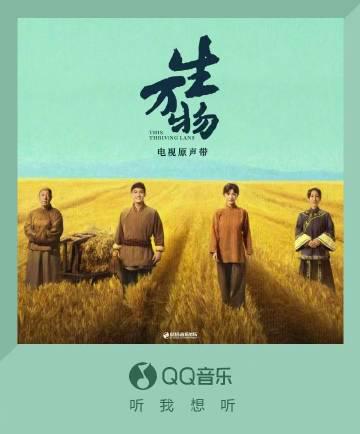
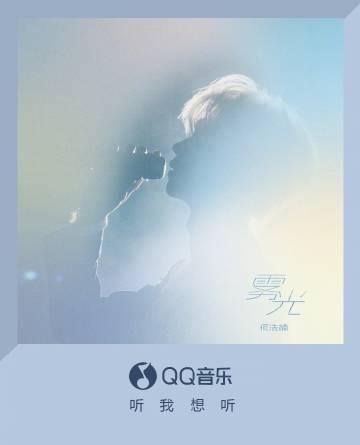
My phone buzzed with a Weibo notification while I was waiting for my overly complicated coffee order at a café in downtown Toronto. It was a post from Leehom Wang’s official account, celebrating his 30th anniversary in the music industry with a special QQ Music ‘Lyric Card’ event. For a split second, my thumb hovered over the link, a reflex born of two decades of fandom, before I remembered. I sighed, put my phone down, and took a sip of my now-lukewarm latte. That link, like so many for shows and songs from back home, would probably just lead to a frustrating ‘This content is not available in your region’ message.
It’s a weird feeling. You’re physically thousands of miles away, but a piece of news, a trending topic, a celebrity anniversary can instantly teleport you back. I could almost smell the dusty scent of my old CD case – the one with the slightly cracked copy of ‘Forever Love’ I played on repeat during high school finals. Leehom’s voice was the soundtrack to so many ‘firsts’: first heartbreak, first all-nighter studying, first KTV session with friends where we’d all butcher ‘Kiss Goodbye’ at the top of our lungs.
The post talked about a抽卡 (chōu kǎ, card draw) event for signed photos. It felt so quintessentially modern China internet culture – interactive, gamified, community-driven. And there I was, on the outside looking in, feeling a pang that was equal parts nostalgia and plain old annoyance. It’s not just about missing out on a chance to win a photo (though teenage me would have been devastated). It’s about the disconnect. Your family group chat is buzzing about the latest episode of a hit drama; your friends are sharing clips from a new variety show; an artist who defined a generation hits a milestone – and you’re stuck buffering, literally and metaphorically.
I have a friend, Lisa, who moved to Melbourne. Last month, she spent an entire evening trying to watch the finale of a popular singing competition she’d followed for weeks. ‘It was like a digital version of Chinese water torture,’ she texted me, ‘Buffer for ten seconds, play for three, error message. Repeat.’ She finally gave up and called her little sister in Shanghai to have her hold the phone up to the TV speaker. ‘I listened to the winner being announced through a tinny phone speaker with street noise in the background,’ she said. ‘Not exactly the cinematic experience I was hoping for.’
That’s the real kicker. It’s not that we don’t have access to entertainment here. We have Netflix, Spotify, Disney+. But it’s not our entertainment. It doesn’t have the same cultural fingerprints, the inside jokes, the shared historical context. Trying to explain why a particular contestant on ‘Singer’ reducing a whole audience to tears is a big deal, or why a certain line in a Leehom Wang song from 2004 hits so hard, feels like translating a feeling rather than describing it. The shared experience gets fractured.
So when I see that shiny, celebratory post for Leehom’s 30 years, a part of me cheers for the artist I’ve loved since I was a kid. Another, more practical part just thinks, ‘Great. Another piece of home I’ll probably have to jump through digital hoops to see or hear properly.’ The excitement is instantly tempered by the anticipated hassle. It’s like seeing a photo of a delicious feast from your favorite hometown restaurant, but knowing you’re on a strict diet of region-locked content.
Maybe that’s why these moments of blocked access sting a bit more. It’s not just a song or a show. It’s a thread in the fabric of your identity that feels like it’s being gently, persistently tugged loose. You’re told, in the polite but firm language of error codes, that this part of your cultural life has borders, even if your memories of it don’t.
I didn’t click the QQ Music link in the end. I just stared at the post for a minute, listening to the ambient café jazz that suddenly felt very foreign, and saved the picture of Leehom Wang instead. It’s a nice picture. He looks good. Thirty years. It feels like a lifetime ago that I first heard his music, and also just like yesterday.
For now, that memory will have to be enough. Until I figure out a way to tear down that digital wall, my celebration of his career will be a quiet, offline one – maybe just humming a few bars of ‘唯一’ (Wei Yi, The One) while I finish this coffee. Anyone else overseas ever have a moment where a simple social media post about entertainment back home just hits you with a wave of ‘man, I wish I could just watch this’ frustration?
How to Use Sixfast: A Quick Start Guide

Sixfast is a lightweight acceleration tool designed to optimize your internet connection for gaming, streaming, and other online activities. Here’s how to get started:
1. Download and Install
Visit the official Sixfast website and download the client for your device (Windows, macOS, Android, or iOS). Follow the instructions to install.
2. Sign Up and Log In
Open the app and register with your email or phone number. You can also log in using WeChat, Apple ID, or other supported platforms.
3. Redeem Free Membership with Code “666”
After logging in, go to the “Profile” or “Account” section and look for “Redeem Code” or “Gift Code.” Enter 666 to receive free VIP membership time—perfect for trying out premium acceleration features.
PC:

mobile:

4. Select a Game or App
Choose the game or application you want to speed up. Sixfast supports popular titles like Genshin Impact, PUBG, Honor of Kings, and more.
5. Choose Region and Start Acceleration
Sixfast will automatically recommend the best server based on your location, or you can manually select one. Tap “Start” to begin acceleration.
6. Enjoy Low Latency
Once connected, launch your game or app and enjoy smoother, faster performance with reduced ping and lag.
Try Sixfast today and level up your online experience!