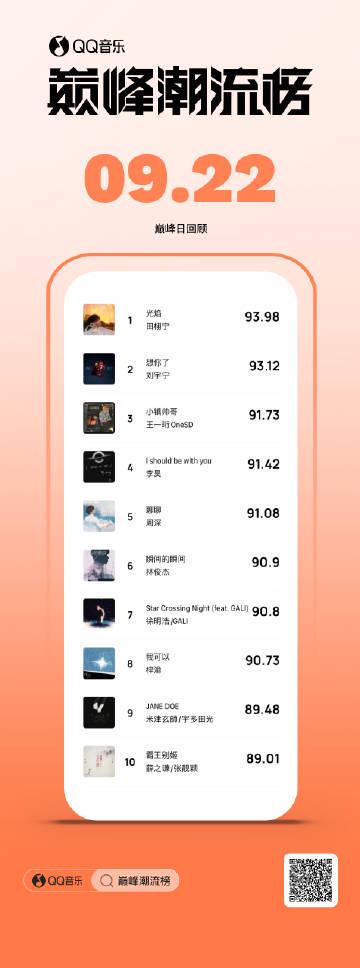
I was scrolling through my phone during a late-night break, the blue light the only thing illuminating my tiny apartment kitchen, when a notification popped up. It was a post from QQ Music announcing the new album "Sounds of Good Fortune" by Mahemood Lengbingbing. My cousin, who moved to Melbourne five years ago, had shared it with a single crying-laughing emoji.
My first instinct was to click play. A few seconds of buffering later, all I got was a cold, robotic error message: "This content is not available in your region." I sighed, a sound that seemed to echo in the quiet. It wasn’t the first time. That familiar pang of frustration mixed with something else—a weird sense of distance, sharper than the 7000 miles between us.
The album description talked about good fortune being a dangerous illusion, how real life is a tapestry of both bitter and sweet threads. Reading it, I didn’t just think about the music I couldn’t hear. I thought about my cousin’s voice, which I hadn’t heard in months except through choppy video calls. I remembered us as kids, sharing a pair of wired earphones, listening to whatever pop song was trending, the plastic cord tangling as we walked. The smell of summer pavement and cheap bubblegum. That was a kind of ‘good fortune’ we never had to think about—access was just there.
Now, for her and millions of others living outside China, a simple song can feel like a locked door. It’s not just about entertainment. It’s about missing the soundtrack to a friend’s new life, the viral variety show everyone at home is quoting, the period drama that fills the family group chat. That ‘geo-block’ message isn’t just denying data; for a moment, it denies connection.
A report last year from a digital rights group noted that over 80% of overseas Chinese users encounter geo-restrictions on mainstream Chinese entertainment platforms. The buffering circle, the ‘playback error,’ the constant search for workarounds—it’s a shared, silent headache. My cousin once spent an entire evening trying to watch the Spring Festival Gala live, only for it to stutter during her favorite comedian’s skit. "It was like hearing laughter from another room," she texted me, "you get the gist, but you miss the punchline."
That’s what this new album made me feel. I could read the profound lyrics about embracing life’s full spectrum, but I couldn’t feel the melody meant to carry them. The ‘good fortune’ was theoretical. The limitation was palpably real.
So, I did what any frustrated but determined family member would do. I called her. Not about the album, at first. We talked about the awful coffee near her place, her dog’s new trick, my terrible cooking. Then, almost as an afterthought, I said, "Hey, I saw your album share. The description sounds deep. What’s the actual song like?"
There was a pause. Then, through the slight satellite delay, I heard a smile in her voice. "You know what? Let me just… describe it. The first track starts with this really clear, almost lonely piano note. Then, his voice comes in, not smooth, but kind of gravelly—like he’s been up all night thinking. It builds into this… not a happy beat, but a determined one. Like walking in the rain but knowing you’re headed somewhere warm."
She painted the music with words because the stream couldn’t cross the ocean. And in that moment, the ‘error’ message mattered less. The connection, however patched together, was what we really needed.
Maybe that’s the ‘complete life’ the album talks about—the friction, the barriers, and the weird, creative ways we find around them. The sweet isn’t as sweet without the memory of the bitter. For those of us with roots in one place and lives in another, our media consumption is full of these little bittersweet knots.
I still wish I could just click and listen. The technical solution to bypass these regional blocks? Well, that’s a conversation for another section. But tonight, my cousin’s audio description over a laggy call was a different kind of solution. It was human, imperfect, and ours.
How about you? What’s the last show, song, or movie you desperately wanted to watch from back home but couldn’t? Share your most creative (or most frustrating) workaround story below. Let’s swap notes—not just on tech fixes, but on how we keep the cultural playlist of home playing, no matter where we are.
How to Use Sixfast: A Quick Start Guide

Sixfast is a lightweight acceleration tool designed to optimize your internet connection for gaming, streaming, and other online activities. Here’s how to get started:
1. Download and Install
Visit the official Sixfast website and download the client for your device (Windows, macOS, Android, or iOS). Follow the instructions to install.
2. Sign Up and Log In
Open the app and register with your email or phone number. You can also log in using WeChat, Apple ID, or other supported platforms.
3. Redeem Free Membership with Code “666”
After logging in, go to the “Profile” or “Account” section and look for “Redeem Code” or “Gift Code.” Enter 666 to receive free VIP membership time—perfect for trying out premium acceleration features.
PC:

mobile:

4. Select a Game or App
Choose the game or application you want to speed up. Sixfast supports popular titles like Genshin Impact, PUBG, Honor of Kings, and more.
5. Choose Region and Start Acceleration
Sixfast will automatically recommend the best server based on your location, or you can manually select one. Tap “Start” to begin acceleration.
6. Enjoy Low Latency
Once connected, launch your game or app and enjoy smoother, faster performance with reduced ping and lag.
Try Sixfast today and level up your online experience!