I was scrolling through my Weibo feed last night, a cup of lukewarm tea in hand, trying to catch up on the buzz from back home. My finger paused on a post from a friend. It was a screenshot—a grey error message overlaid on what should have been a music video player. The caption read: ‘Tried to listen to Lu Zhuo’s new song. Got this instead. Miss the midnight subway rides where you could actually play music without a ‘region lock’.’
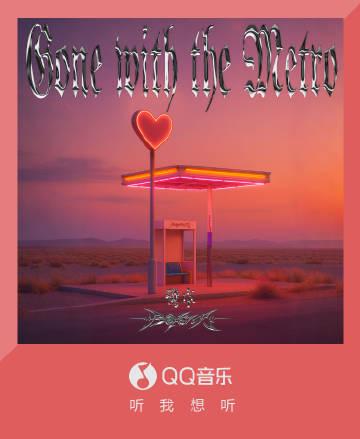
That screenshot hit a nerve. It wasn’t just about a song. It was that specific, quiet frustration that settles in when you’re thousands of miles away. You see the hashtags trending, #QQMusicNewRelease, #HowPowerfulIsLuZhuosRock, and you feel utterly disconnected. The descriptions people post—’the last metro crushing the dusk,’ ‘cold fog and neon-lit city nights’—you have to imagine the melody that goes with those words. The song itself, Gone with the Metro, about letting go of lingering attachments, becomes ironically symbolic. The very thing it describes—things fading away with the departing train—is what happens to your cultural tether when you’re blocked out.
It’s more than an inconvenience. It’s the little things. The shared moment of watching a new variety show episode with family over a grainy video call, now impossible because you can’t access the platform. It’s trying to play your childhood favorite drama for your own kids and being greeted by a buffering icon that never loads. You end up reading lyrics and recaps as a poor substitute for the actual experience. The ‘gentleness trapped in the vortex’ and ‘shadows lingering from last night’s fireworks’ that the song mentions? For us overseas, sometimes the vortex is the loading circle, and the shadow is the memory of seamless streaming.
I remember calling my cousin last month. She was raving about a new historical drama, describing a specific scene down to the actor’s subtle glance. ‘You have to watch it!’ she said. All I could do was nod along, feeling a pang of something like homesickness, but for a shared cultural moment. The distance isn’t just geographical; it’s digital. We’re told the content is there, buzzing with discussion, but a virtual wall says, ‘Not for you.’ It turns what should be a simple click into a reminder of separation.
So, what’s the fix? How do we stop just reading about the ‘echoes盘旋 in the night’ and actually hear them? How do we break those digital ties that bind our access? The good news is, it’s not as hopeless as that eternal buffering symbol makes it seem. The solution is simpler than you might think, and it doesn’t require you to be a tech wizard.
How to Use Sixfast: A Quick Start Guide

Sixfast is a lightweight acceleration tool designed to optimize your internet connection for gaming, streaming, and other online activities. Here’s how to get started:
1. Download and Install
Visit the official Sixfast website and download the client for your device (Windows, macOS, Android, or iOS). Follow the instructions to install.
2. Sign Up and Log In
Open the app and register with your email or phone number. You can also log in using WeChat, Apple ID, or other supported platforms.
3. Redeem Free Membership with Code “666”
After logging in, go to the “Profile” or “Account” section and look for “Redeem Code” or “Gift Code.” Enter 666 to receive free VIP membership time—perfect for trying out premium acceleration features.
PC:

mobile:

4. Select a Game or App
Choose the game or application you want to speed up. Sixfast supports popular titles like Genshin Impact, PUBG, Honor of Kings, and more.
5. Choose Region and Start Acceleration
Sixfast will automatically recommend the best server based on your location, or you can manually select one. Tap “Start” to begin acceleration.
6. Enjoy Low Latency
Once connected, launch your game or app and enjoy smoother, faster performance with reduced ping and lag.
Try Sixfast today and level up your online experience!