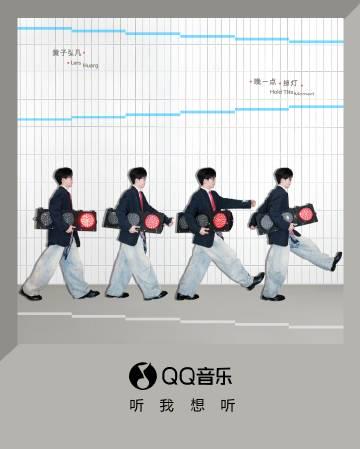
I was scrolling through Weibo on my lunch break here in Toronto, trying to catch up on the latest buzz from back home. My feed was a mix of food pics from friends in Shanghai and news headlines. Then, I saw it: the official announcement for Huang Zihongfan’s new EP, ‘A Little Later, Green Light.’ The preview snippets sounded amazing—a blend of mellow beats and introspective lyrics that perfectly matched my rainy afternoon vibe.
I clicked play. Nothing. Just a spinning loading icon, followed by the all-too-familiar message: ‘This content is not available in your region.’ My excitement fizzled out faster than the bubbles in my now-flat soda. Again. This wasn’t about just one song. It was the latest episode of a drama my mom had been raving about, the viral variety show clip everyone was discussing, the entire digital thread connecting me to the cultural heartbeat of home, snipped short by an invisible wall.
It’s a specific kind of loneliness, you know? You’re physically holding a device that can access almost the entire internet, yet you’re locked out of a corner that feels most like home. I remember last Mid-Autumn Festival, video-calling my family. They were all gathered, watching a special variety show on the TV in the background, laughing at a skit I couldn’t see or hear. ‘It’s so funny!’ my sister said, holding the phone up to the screen for a second, the audio choppy and delayed. ‘You should watch it!’ I just nodded and smiled, the pixelated image of their happy faces contrasting sharply with the silent, static message on my own laptop.
Huang Zihongfan’s EP description on Weibo really stuck with me. It talked about the album tracing a different kind of daily rhythm—starting from that groggy, half-awake afternoon consciousness, moving through the soft, reflective emotions of dusk. It made me think my own ‘day’ as an overseas Chinese is often defined by a different rhythm too: the rhythm of ‘trying to access.’ The morning check to see if a new episode has dropped. The midday frustration of hitting the geo-block. The evening scramble to find alternative, often sketchy, streaming sites with pop-up ads and questionable quality. The late-night resignation when the video buffers endlessly, turning a 45-minute drama into a 2-hour ordeal of staring at a loading bar.
I’m not alone in this. A quick poll in my WeChat group of fellow overseas friends confirmed it. ‘Every single time,’ wrote one in London. ‘I just want to listen to the new season’s playlist on QQ Music,’ complained another in Sydney. The data backs up our grumbling. Reports suggest millions of overseas Chinese face these digital barriers regularly, turning simple acts of entertainment into minor logistical puzzles. We’re not asking for anything special—just the ability to participate in the same cultural conversations, to listen to the same new releases, to follow the same stories as our friends and family back home, in real time.
So, here I was, reading about an artist creating music about personal rhythms and ‘more possibilities for life,’ while my own digital life felt permanently stuck on a single, frustrating frequency: the ‘unavailable’ tone. It felt ironic. The very platforms meant to connect us through culture were the ones highlighting the distance. That EP title, ‘A Little Later, Green Light,’ started to feel less like a song name and more like a plea. Will the green light for access ever come on for us? Or are we always destined to be a little later, a step behind, waiting for a workaround?
This constant ‘buffering’ in our cultural consumption is more than an annoyance; it’s a persistent reminder of the gap between ‘here’ and ‘there.’ But what if it didn’t have to be? What if that green light wasn’t about waiting for platforms to change their policies, but about finding a reliable, safe key to open the gate ourselves? The good news is, after years of dealing with this, many of us have finally found stable solutions that don’t involve dodgy websites or begging friends to record their screens. The relief of finally clicking ‘play’ and having it just work—that’s a rhythm worth getting into.
How to Use Sixfast: A Quick Start Guide

Sixfast is a lightweight acceleration tool designed to optimize your internet connection for gaming, streaming, and other online activities. Here’s how to get started:
1. Download and Install
Visit the official Sixfast website and download the client for your device (Windows, macOS, Android, or iOS). Follow the instructions to install.
2. Sign Up and Log In
Open the app and register with your email or phone number. You can also log in using WeChat, Apple ID, or other supported platforms.
3. Redeem Free Membership with Code “666”
After logging in, go to the “Profile” or “Account” section and look for “Redeem Code” or “Gift Code.” Enter 666 to receive free VIP membership time—perfect for trying out premium acceleration features.
PC:

mobile:

4. Select a Game or App
Choose the game or application you want to speed up. Sixfast supports popular titles like Genshin Impact, PUBG, Honor of Kings, and more.
5. Choose Region and Start Acceleration
Sixfast will automatically recommend the best server based on your location, or you can manually select one. Tap “Start” to begin acceleration.
6. Enjoy Low Latency
Once connected, launch your game or app and enjoy smoother, faster performance with reduced ping and lag.
Try Sixfast today and level up your online experience!